
Nigeria TV Info
Living in Fear of Lakurawa — the Militant Group Trump Targeted in Nigeria Strikes
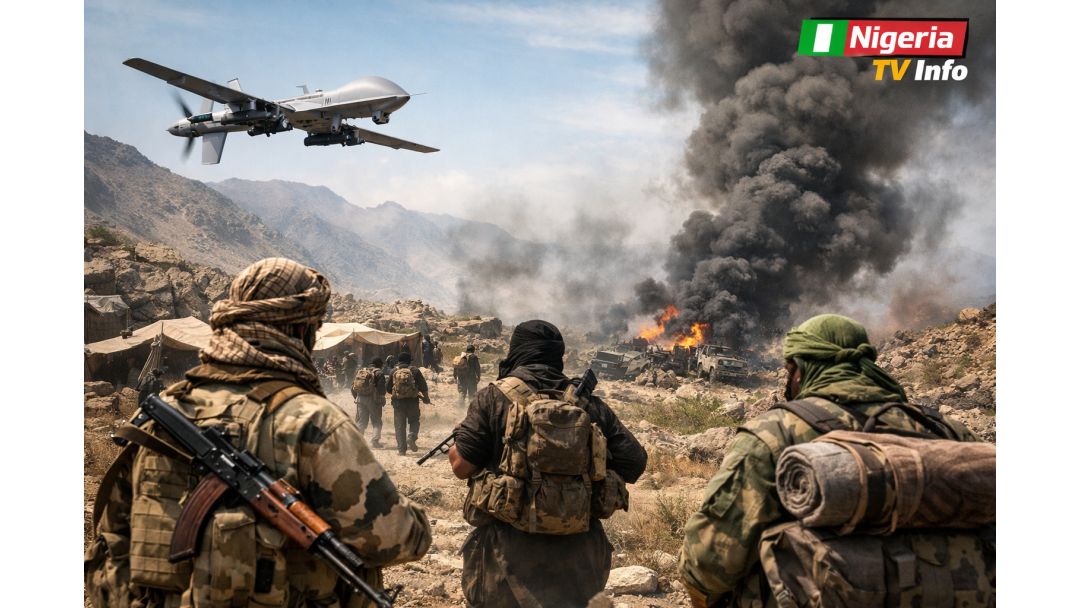
Communities across northwest Nigeria are living under the growing shadow of Lakurawa, a militant group that has transformed from a local self-defence force into one of the region’s most feared armed organisations — and a key target of recent U.S. airstrikes ordered by President Donald Trump.
Lakurawa began appearing along Nigeria’s borders with Niger and Mali around the late 2010s. Initially tolerated as a local self-defence group against bandits, its ideology and tactics shifted sharply toward extremism. Today it operates across multiple Local Government Areas in Sokoto and Kebbi states, imposing strict rules on communities, collecting forced levies, and violently suppressing resistance.
The group enforces its own version of religious codes, seizing livestock, extracting taxes, and coercing locals into compliance with threats or attacks. Villagers say that refusing to obey Lakurawa’s demands often results in violent reprisals.
Escalation and Violence
Lakurawa has been linked with jihadist factions of the Islamic State Sahel Province, and its fighters have been accused of deadly raids on rural communities, including the 2025 Kwallajiya massacre where scores of villagers were killed.
In January 2025, a Nigerian Federal High Court formally declared Lakurawa a terrorist organisation, granting authorities broader powers to pursue and dismantle its networks.
U.S. Strikes and Strategic Calculus
On December 25, 2025, the United States — under orders from President Trump — launched airstrikes in northwestern Nigeria targeting Islamic State-linked militants operating with Lakurawa elements. Trump framed the strikes as retaliation for recent attacks on Christians and part of a broader fight against ISIS affiliates.
Nigeria’s government has publicly cooperated with Washington, emphasising that strikes were conducted with Abuja’s consent and intelligence support. However, analysts caution that the strikes, particularly against a group like Lakurawa whose presence and affiliations are locally complex, may do little to resolve deep-rooted insecurity.
Local Fear and Growing Instability
For many villagers in Sokoto and Kebbi, Lakurawa’s presence has upended daily life. Markets have collapsed, farmlands lie fallow, and residents risk violence if they venture out after dark. The group’s blend of coercion, criminal extortion, and jihadist ideology has blurred lines between banditry and terror, making counter-insurgency efforts more difficult.
Despite Nigeria’s proscription of the group and increased military focus, Lakurawa’s adaptability — including recruitment of disaffected youths and ties with cross-border militants — maintains fear among communities already struggling with poverty and state neglect.
Comments